
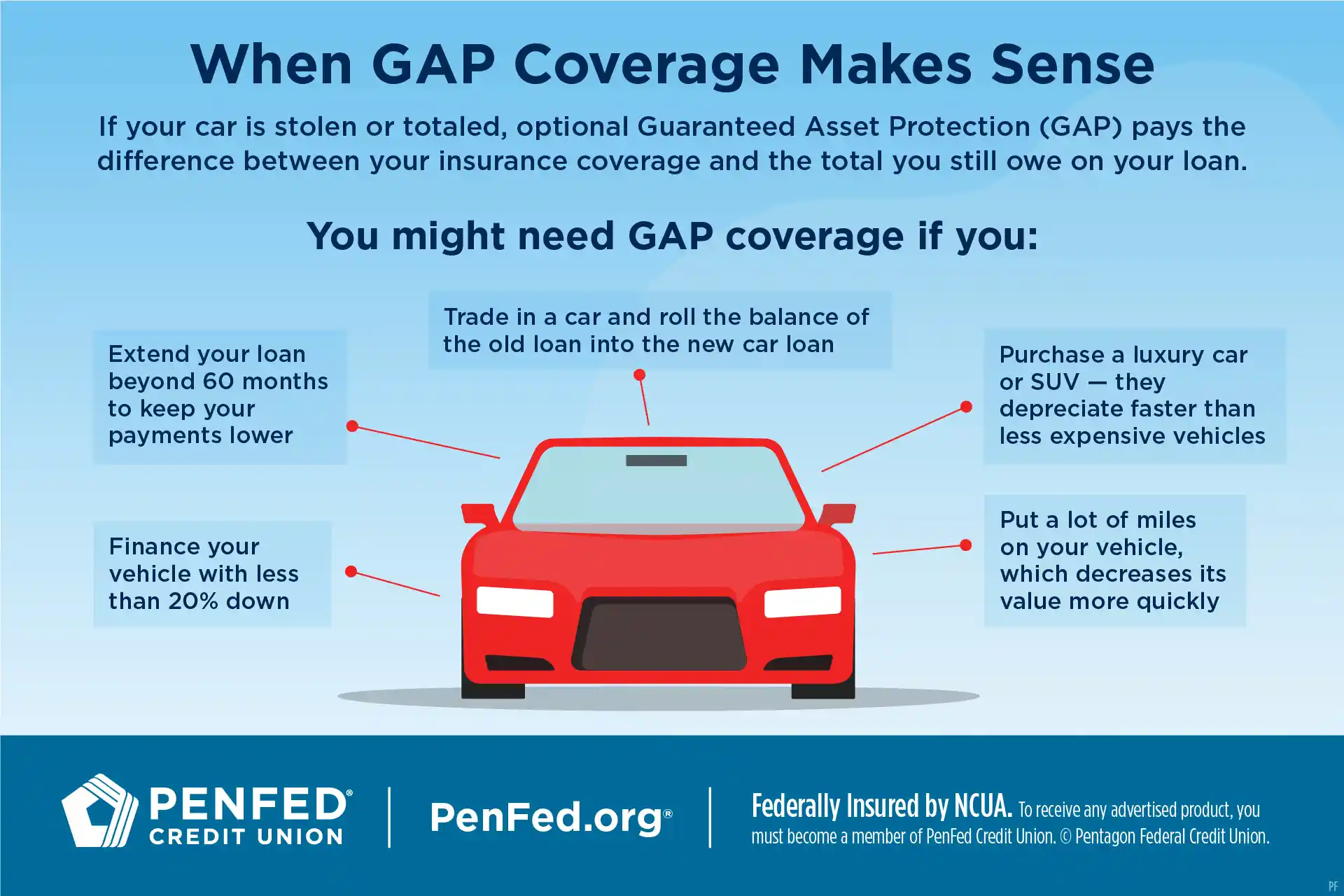
When buying or financing a car in the USA, many drivers hear about GAP insurance but are unsure how much it actually costs. Some are offered GAP coverage at the dealership, while others see it as an add-on through their auto insurance company.
What most people don’t realize is that GAP insurance pricing can vary widely depending on where you buy it and your loan details. The monthly and yearly cost is often much lower than expected, but hidden differences matter.
This guide explains the real cost of GAP insurance in the USA, including dealer pricing, insurer pricing, and the factors that affect what you pay.
How Much Does GAP Insurance Cost in the USA?
GAP insurance in the USA typically costs $5 to $25 per month or $50 to $300 per year, depending on whether it’s purchased through a dealership or an auto insurance company. Dealer GAP coverage usually costs more upfront, while insurer GAP add-ons are cheaper and spread across monthly premiums.
Why GAP Insurance Costs Vary?

Where You Buy GAP Insurance?
Dealership GAP insurance is usually bundled into your loan, while insurance-company GAP is added monthly to your policy.
Vehicle Value and Loan Amount
Cars with higher depreciation or larger loans generally increase the GAP insurance cost.
Financing vs Leasing
GAP insurance for leased cars often costs less than coverage for financed vehicles.
State and Location Differences
Insurance pricing can change by state due to regulations and risk factors.
Loan Length and Interest Rate
Longer loans increase the chance of negative equity, affecting pricing.
What To Do Before Buying GAP Insurance
- Compare dealer GAP insurance cost vs insurer add-on pricing
- Ask for monthly and yearly cost breakdowns
- Check if GAP is already included in your lease
- Confirm how long coverage lasts
- Review cancellation and refund policies
What To Avoid
- Automatically accepting dealership GAP coverage
- Paying interest on GAP insurance through a loan
- Buying GAP for vehicles that depreciate slowly
- Ignoring insurer add-on options
- Keeping GAP insurance longer than needed

GAP Insurance Cost Comparison (USA)
| Purchase Method | Typical Cost | Payment Style |
|---|---|---|
| Dealership GAP | $400 – $800 total | Added to auto loan |
| Insurance company GAP | $5 – $25 per month | Monthly premium add-on |
| Annual cost average | $50 – $300 per year | Policy-based |
| Leased car GAP | Often included | Lease agreement |
| Financed car GAP | Optional | Depends on lender |
Conclusion
The cost of GAP insurance in the USA is usually affordable, especially when added through an auto insurance policy. Monthly pricing is often far lower than dealership options, making comparison important.
By understanding how GAP insurance pricing works and what affects it, car buyers can choose coverage that fits their situation without paying more than necessary.
FAQs
How much does GAP insurance cost per month?
Most drivers pay between $5 and $25 per month.
Is dealer GAP insurance more expensive?
Yes, dealership GAP usually costs more than insurer add-ons.
Is GAP insurance worth it?
It can be useful if you owe more than the car’s value.
Does GAP insurance cost vary by state?
Yes, pricing can differ slightly by state.
Can I cancel GAP insurance later?
Yes, many policies allow cancellation and partial refunds.
Do leased cars need GAP insurance?
Most leases already include GAP coverage.
Does GAP insurance cover loan payoff fully?
It covers the difference between car value and loan balance, not extras.