Renting a photography studio is more than just booking a space. Whether you are a professional photographer, content creator, or hobbyist, choosing the right studio can make the difference between a smooth shoot and logistical chaos. This guide will walk you through everything you need to know, from types of studios to advanced tips for maximizing your rental.
Understanding Photography Studio Rentals
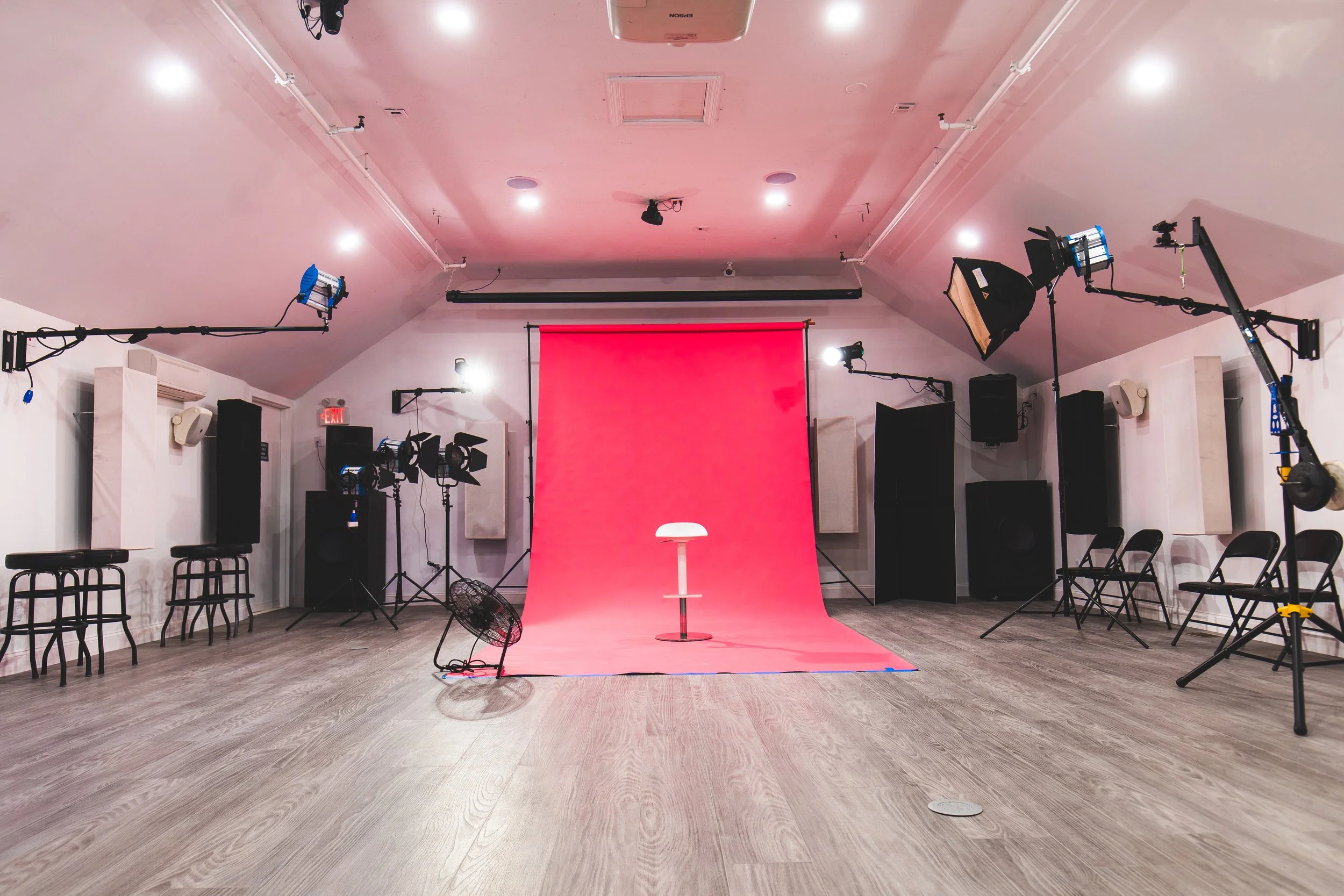
A photography studio rental provides you with a dedicated space, lighting, backdrops, and sometimes equipment for your shoots. Studios range from small rooms suitable for product photography to large spaces designed for fashion, portrait, or video production. Knowing your exact needs is essential before making a booking.
Types of Photography Studios
Different types of studios cater to different needs. Here’s a breakdown:
- Product Photography Studios
Ideal for e-commerce or small item shoots. These studios usually have table setups, macro lighting, and small backdrops. - Portrait Studios
Designed for individuals, families, or corporate headshots. These studios often include softboxes, reflectors, and adjustable backdrops. - Fashion & Editorial Studios
Large spaces with multiple lighting setups, props, and sometimes even set-building areas. - Video & Multimedia Studios
Equipped for video shoots with green screens, soundproofing, and flexible lighting.
Factors to Consider Before Renting
Choosing the right studio involves more than price. Consider the following factors:
- Size of the Studio
Ensure there is enough space for your equipment, crew, and any props or sets. - Lighting Options
Check if natural light is available or if professional lighting gear is provided. - Equipment Availability
Confirm if tripods, reflectors, cameras, or lenses are included or if you need to bring your own. - Accessibility & Location
Look for a studio that is easy for your team to reach and has parking or transport options. - Pricing & Booking Terms
Understand hourly or daily rates, cancellation policies, and deposit requirements.
How to Evaluate a Studio Before Booking
Evaluating a studio carefully can save time and money. Here are advanced checks:
- Visit the Studio in Advance
Physically inspect lighting, space, and gear before booking. - Ask for Test Shots
Request sample shots to evaluate lighting quality. - Review Safety & Insurance
Ensure the studio has proper safety measures and insurance coverage for equipment. - Check Load-In & Load-Out Logistics
For large shoots, confirm elevator access, door sizes, and vehicle unloading options. - Understand Studio Rules
Clarify whether food, pets, or props are allowed and any restrictions on equipment usage.
Advanced Tips for Maximizing Your Studio Rental
Once you’ve chosen a studio, optimize your time and resources with these strategies:
- Plan Your Shoot Thoroughly
Create shot lists, storyboards, and timelines to maximize the rental period. - Bring Essential Backup Equipment
Batteries, memory cards, and additional lights reduce the risk of delays. - Use Multi-Purpose Backdrops
Neutral backdrops can be reused for multiple shots, saving setup time. - Coordinate Crew Efficiently
Assign roles to each team member for lighting, camera, styling, and props. - Leverage the Space Creatively
Move furniture, props, or partitions to adapt the studio for different shoot styles.
Common Mistakes to Avoid
Avoiding common mistakes ensures a smooth experience and high-quality results:
- Booking Without Visiting
Pictures online can be misleading; always verify in person. - Underestimating Space Needs
Crowded studios can compromise lighting and camera angles. - Ignoring Hidden Costs
Check for extra charges for equipment, power usage, or cleaning. - Not Reading the Fine Print
Understand cancellation, overtime, or damage fees in advance. - Overlooking Accessibility
Ensure your team can easily transport equipment without bottlenecks.
Checklist for Choosing the Perfect Studio
Use this checklist to make your decision more structured:
- Studio Size: [ ] Sufficient for equipment and team
- Lighting: [ ] Natural / [ ] Artificial / [ ] Adjustable
- Equipment: [ ] Provided / [ ] Bring Your Own
- Location: [ ] Accessible / [ ] Parking Available
- Price: [ ] Hourly / [ ] Daily
- Safety & Insurance: [ ] Verified
- Rules & Restrictions: [ ] Clear
- Flexibility: [ ] Available for extensions or setup changes
Comparing Studios: A Strategic Approach
When evaluating multiple studios, create a comparison table for clarity:
| Studio Name | Size (sq ft) | Lighting Options | Equipment Included | Price/hr | Accessibility | Extras |
|---|---|---|---|---|---|---|
| Studio A | 1200 | Natural + LED | Lights, Backdrops | $50 | Central City | Parking, Wi-Fi |
| Studio B | 800 | LED only | Limited | $35 | Suburban | Prop Rentals |
| Studio C | 1500 | Mixed | Full Gear | $65 | Downtown | Green Screen |
This helps identify which studio best aligns with your specific project requirements.
Additional Tips for Niche Photography Needs
Certain projects may require specialized considerations:
- E-Commerce Photography
Look for studios with macro setups, white table backgrounds, and high-intensity lighting. - Fashion Shoots
Opt for large spaces with multiple lighting options, room for stylists, and large backdrops. - Video Production
Choose studios with soundproofing, adjustable lighting, and space for multiple camera setups. - Event Photography
Ensure access for group shoots and flexibility for different setups.
Optimizing Costs Without Compromising Quality
Budget-conscious photographers can use these strategies:
- Book Off-Peak Hours
Studios often offer discounts during weekdays or non-prime hours. - Bundle Rental Packages
Some studios offer discounts for multi-day or recurring rentals. - Bring Your Own Gear
Reduces dependency on studio equipment rental fees. - Plan Efficiently
A well-organized shoot minimizes overtime charges.
Conclusion
Renting the right photography studio requires careful planning, evaluation, and strategy. By understanding the types of studios, evaluating equipment and space, and applying advanced planning techniques, photographers and creators can maximize efficiency and achieve professional results. A well-prepared shoot in the right studio not only saves time and money but also elevates the overall quality of your creative work. Following these guidelines ensures your next studio rental experience is smooth, productive, and tailored to your specific needs.