
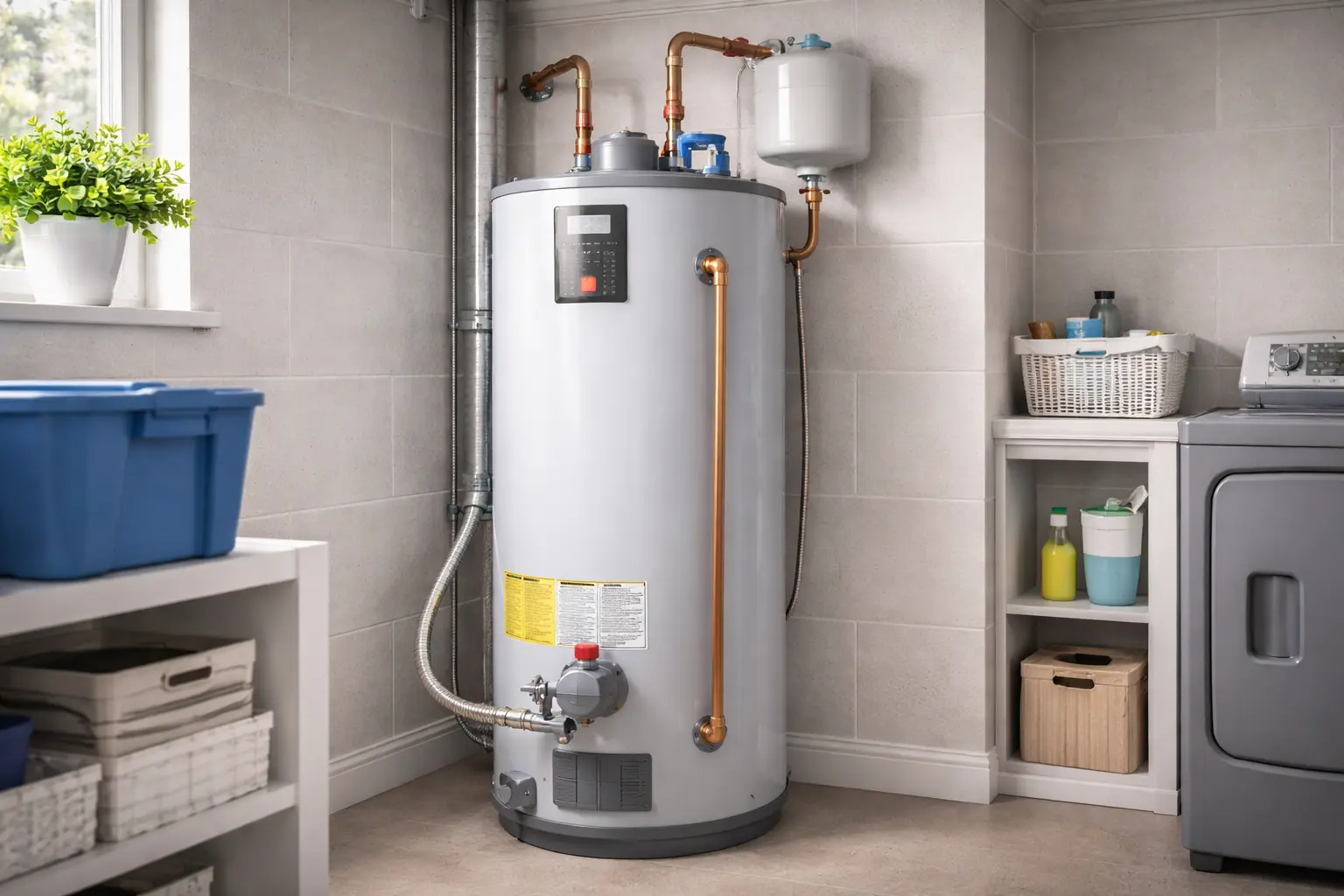
Why Water Heater Not Heating Properly? A water heater may not heat properly due to sediment buildup, a faulty heating element, incorrect thermostat settings, or issues with the power or gas supply. These problems reduce the heater’s ability to warm water efficiently and usually develop over time.
What Does It Mean When a Water Heater Is Not Heating Properly?
When a water heater fails to heat water properly, it often produces lukewarm water or runs out of hot water quickly. This issue is common in many homes and typically indicates reduced efficiency or internal component problems rather than complete failure.
In many U.S. households, this problem appears gradually and worsens if regular maintenance is skipped.
Common Causes of Water Heater Heating Problems
Why Water Heater Not Heating Properly? There are some following problems exlpain:
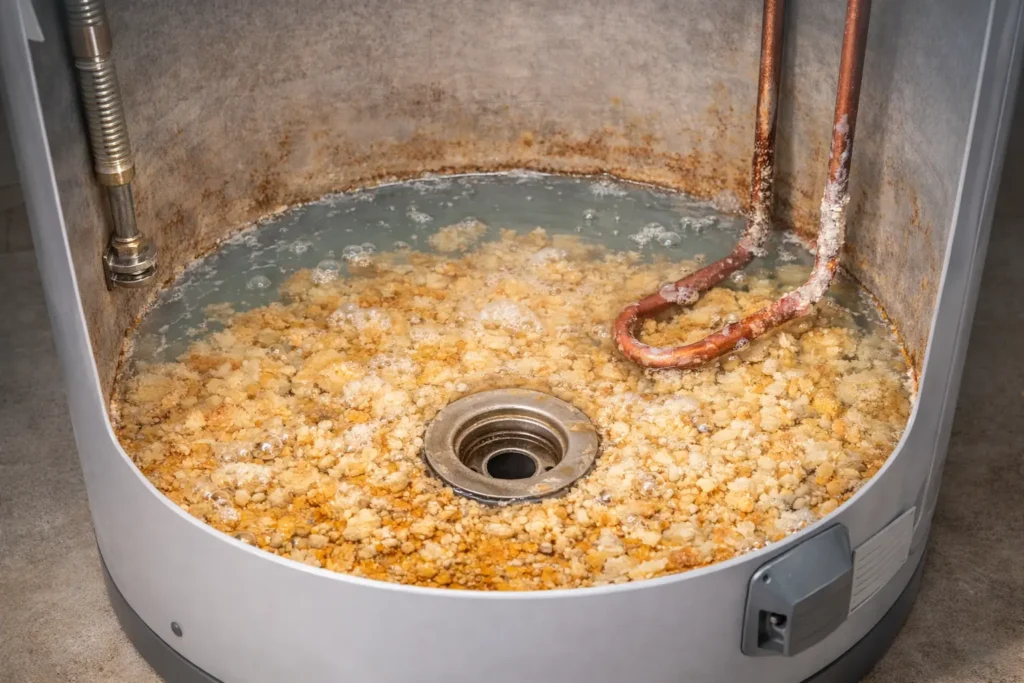
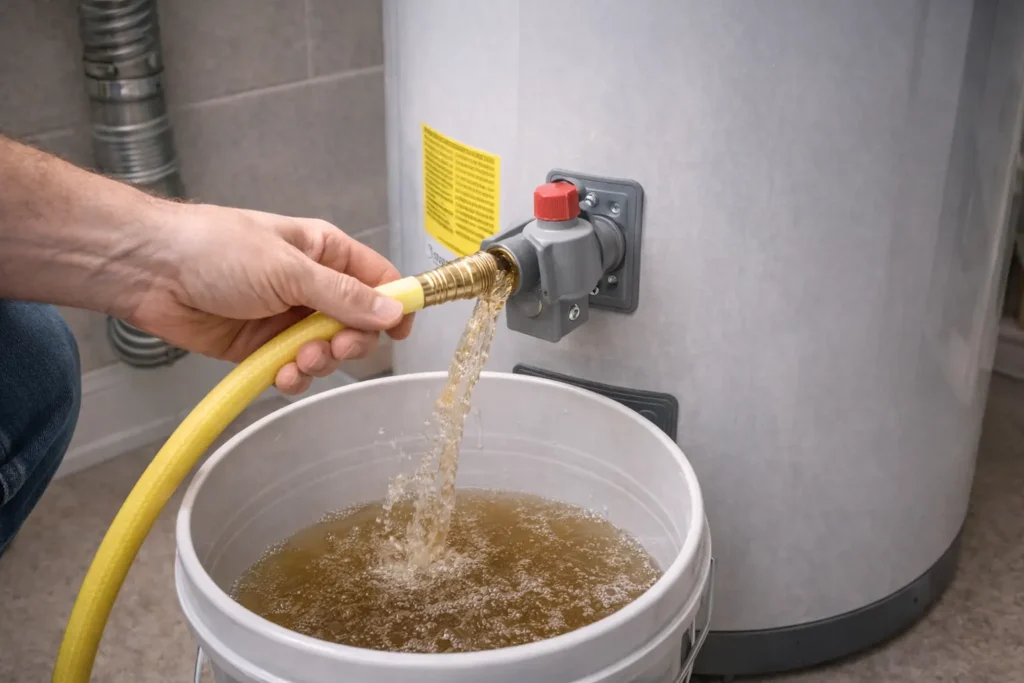
1. Sediment Buildup Inside the Tank
Minerals from hard water settle at the bottom of the tank. This sediment acts as insulation between the heating element and the water, reducing heat transfer.
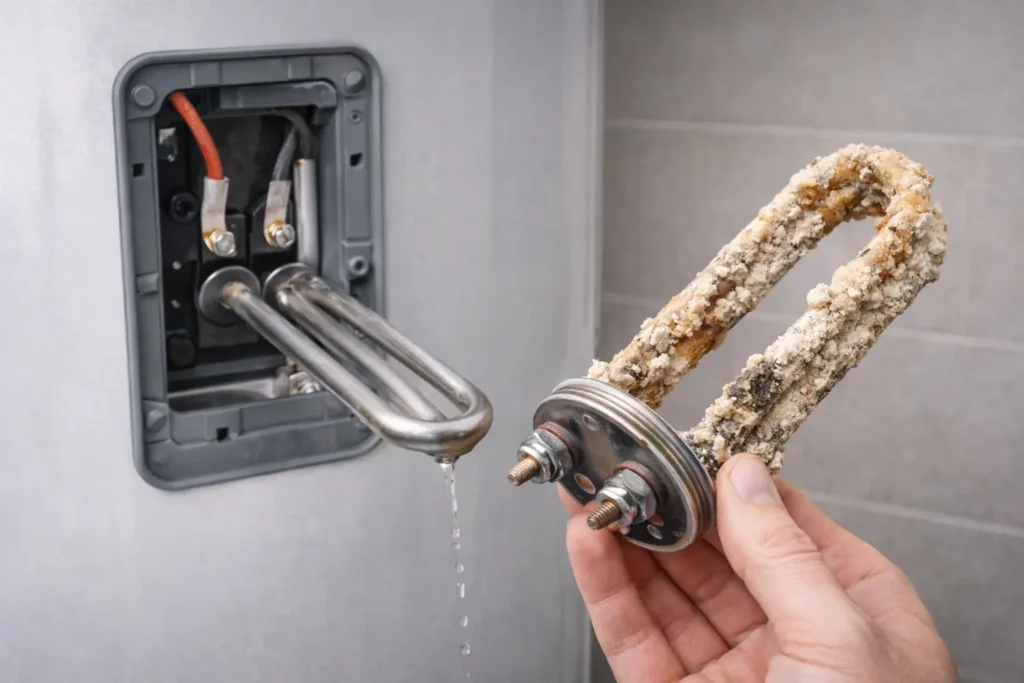
2. Faulty Heating Element (Electric Water Heaters)
If one or both heating elements are damaged, the water heater may struggle to heat water evenly or consistently.
3. Incorrect Thermostat Settings
Thermostats set too low or malfunctioning thermostats can prevent the water from reaching the desired temperature.
4. Gas Supply or Burner Issues (Gas Water Heaters)
A dirty burner, weak pilot light, or interrupted gas supply can limit the heater’s ability to produce hot water.
5. Aging Water Heater
As water heaters age, internal components wear out, reducing overall performance and heating capacity.
How to Fix a Water Heater Not Heating Properly?
Step 1: Check the Thermostat Settings
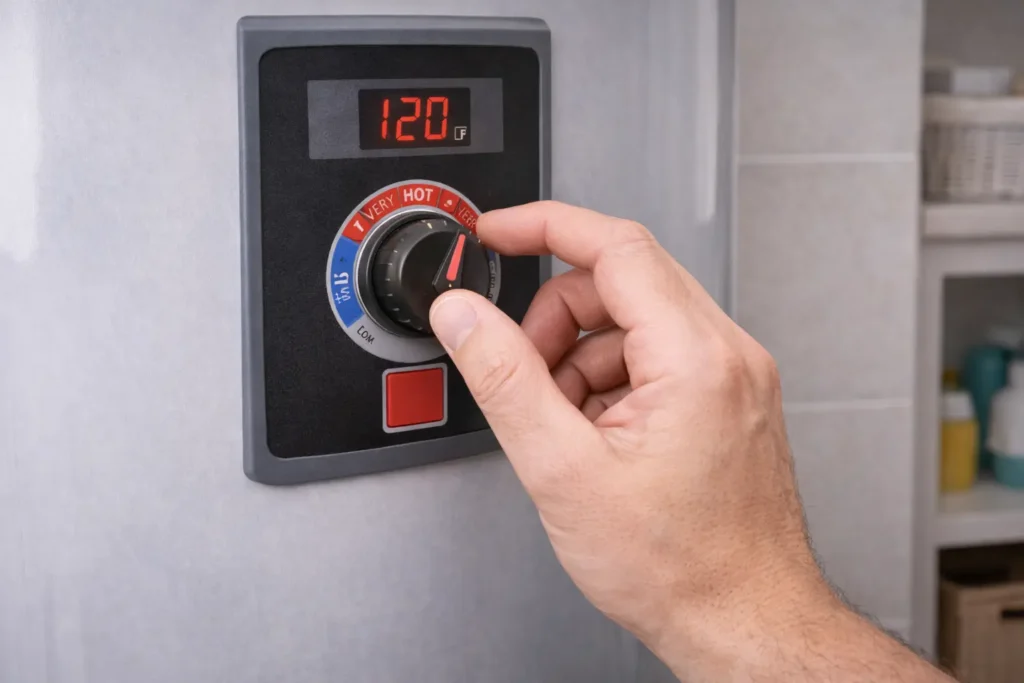
Ensure the thermostat is set to the recommended temperature (usually around 120°F in most U.S. homes).
Step 2: Flush the Water Heater Tank
Flushing removes sediment buildup and improves heating efficiency.
Step 3: Inspect Heating Elements or Burner
Electric heaters may need heating element testing or replacement. Gas heaters may require burner cleaning.
Step 4: Check Power or Gas Supply
Make sure circuit breakers, pilot lights, and gas valves are functioning correctly.
Is a Water Heater That Doesn’t Heat Properly Dangerous?
While not always dangerous, poor heating performance can signal internal wear or overheating risks. Ignoring the issue may lead to higher energy costs and shorten the unit’s lifespan.
This article is for informational purposes and reviewed for accuracy.
When Should You Call a Professional?
You should consider professional assistance if:
- Hot water runs out very quickly
- The heater frequently shuts off
- Water temperature fluctuates suddenly
- The unit is more than 8–10 years old
Final Thoughts
If your water heater is not heating properly, addressing the issue early can restore performance and extend the unit’s lifespan. Routine maintenance, temperature checks, and sediment removal help prevent long-term problems and keep hot water consistent.
Frequently Asked Questions
Can sediment buildup stop a water heater from heating properly?
Yes. Sediment prevents efficient heat transfer and is one of the most common causes.
How often should a water heater be flushed?
In most homes, flushing once a year is recommended.
Does a failing thermostat affect water temperature?
Yes. A faulty thermostat can prevent the water from reaching proper temperature levels.